


How Much Fibre Per Day Should You Actually Eat? Are You Getting Enough? And What 30 Grams a Day Actually Looks Like
Most of us have heard that fibre is good for us. But ask the average person how much they're actually getting - or what 30 grams a day even looks like on a plate - and you'll often be met with a blank stare.
Without a doubt: fibre is one of the most impactful things you can eat for your gut health, your energy, your hormones and your long-term wellbeing.
And most of us are simply not getting enough.
What actually is fibre?
Fibre is a type of carbohydrate found only in plant-based foods. Unlike other carbohydrates, your body can't break it down for energy - instead, it travels through your digestive system largely intact, doing a whole lot of good along the way.
There are two main types to know about:
Soluble fibre dissolves in water to form a gel-like substance in your gut. It helps lower cholesterol, steadies blood sugar, and acts as a prebiotic - feeding the beneficial bacteria in your microbiome.
You'll find it in oats, legumes, the flesh of fruits, and vegetables.
Insoluble fibre doesn't dissolve. It adds bulk to your stool and keeps things moving through your digestive system. Think of it as nature's broom.
It's found in wholegrains, nuts, seeds, and the skin of most fruits and vegetables.
There's also a third player worth knowing: resistant starch. This passes through to your large intestine where it becomes food for your gut bacteria.
Legumes, cooked-and-cooled rice or pasta, and greener bananas are great sources.
Each type plays a different role - which is exactly why variety matters.
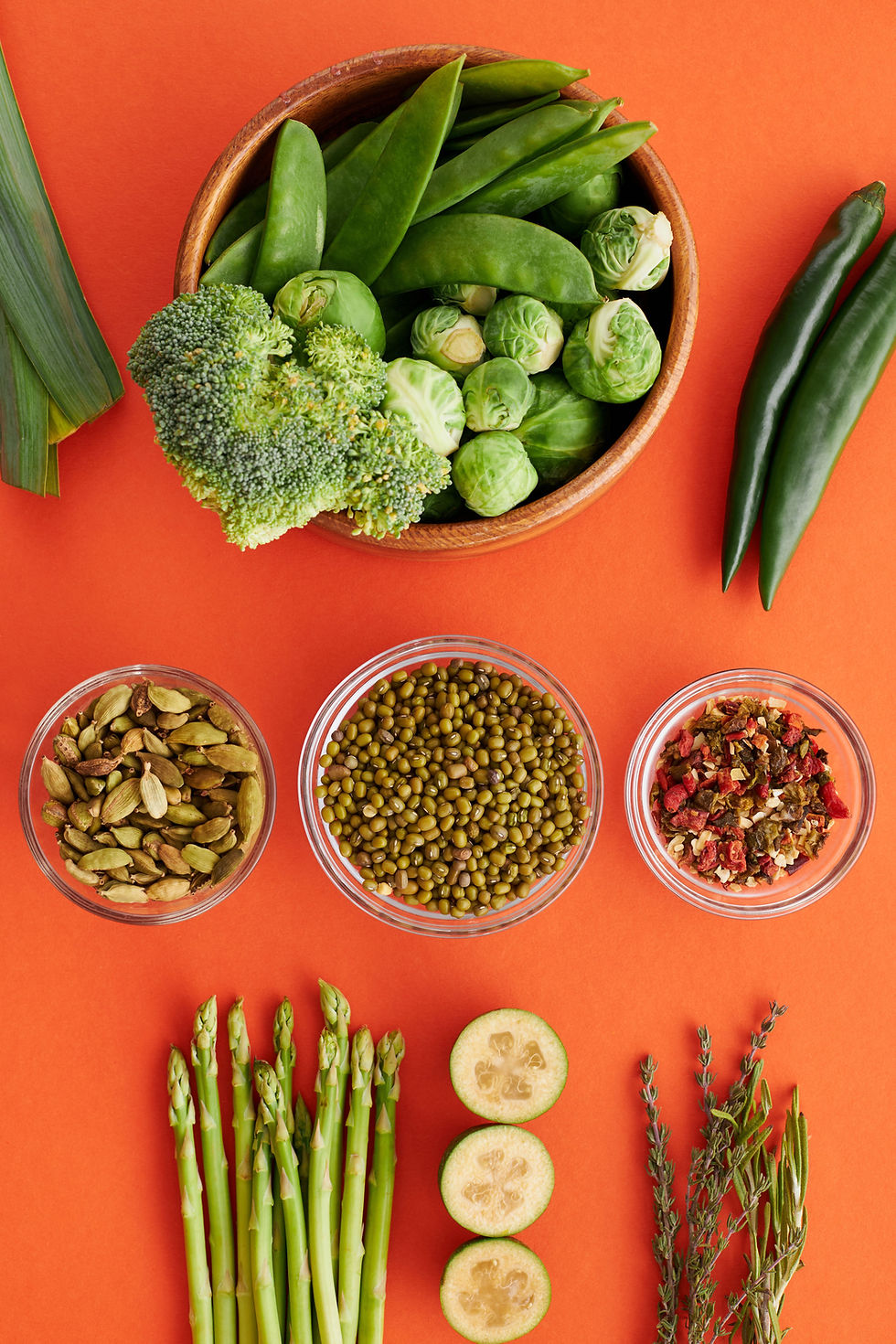
Why does fibre matter so much?
Beyond keeping your bowel movements regular (which matters more than people realise), fibre supports:
Your gut microbiome - gut bacteria feed on fibre and produce short-chain fatty acids like butyrate, which support gut barrier integrity and reduce inflammation, all essential for gut health
Blood sugar balance - soluble fibre slows digestion and the absorption of sugar, preventing those mid-afternoon energy crashes
Cholesterol - soluble fibre helps remove excess cholesterol from the body by excretion of bile salts through the bowel
Satiety - high-fibre foods keep you feeling fuller for longer
Long-term health - consistently low fibre intake is linked to a higher risk of type 2 diabetes, heart disease, and colorectal cancer
Your digestion, your energy, your hormones - fibre touches all of it.
How much do you fibre per day do you actually need?
In Australia, the recommended daily fibre intake is 25g for women and 30g for men. Some research suggests that aiming closer to 30-38g fibre per day may offer additional benefits, particularly for heart health and microbiome diversity.
Signs you're not getting enough fibre
Most Australians fall well short of even the minimum - which goes a long way to explaining why digestive complaints like bloating, constipation and sluggish energy are so common.
What does 30 grams of fibre actually look like?
Hitting 30g doesn't require supplements or special products. Real food gets you there.
Here's how you might get 30 grams of fibre in a day:
Breakfast: ½ cup rolled oats (4g) + 1 tbsp chia seeds (3.5g) + 1 kiwi fruit (2g) = ~9.5g
Lunch: 1 slice sourdough (2g) + ½ cup lentils or chickpeas (5-8g) + leafy greens and raw veg (2g) = ~10-12g
Snack: 1 apple with skin (3.5g) + small handful almonds (1.5g) = ~5g
Dinner: ½ cup cooked brown rice (4g) + colourful mix of vegetables - carrots, peas, broccoli, avocado (5g) = ~9g
That's over 30g from everyday whole foods - nothing exotic, nothing complicated. No powders or supplements.
A few things to know before you increase intake
Go slowly. Increasing fibre too much too quickly can cause bloating, gas and discomfort as your gut bacteria adjust, especially if you already have existing IBS or a sensitive gut. Add one high-fibre food every few days and see how you feel.
You may have seen fibremaxxing doing the rounds on social media - the idea of deliberately hitting 40-50 grams of fibre a day as a health goal. The idea is good in principle (most of us are eating less than half that), but how you get there matters.
Jumping from 15 grams to 40 grams overnight is a reliable way to end up bloated, gassy and cramping - not because fibre is bad for you, but because your gut bacteria need time to adjust.
Increase your intake gradually over two to three weeks, drink plenty of water alongside it, and let your gut catch up.
Done slowly, fibremaxxing is actually a great gut health strategy.
Done all at once, it's a bad week.
Water is non-negotiable. Fibre - especially soluble fibre - absorbs water as it moves through your gut. Without adequate fluid, things can actually slow down rather than speed up. Aim for about 2 litres of water a day.
And please - don't reach for a high-fibre processed bar or fibre powder as your main source. Whole foods bring fibre alongside vitamins, minerals and the phytonutrients your gut bacteria thrive on. Supplements and fortified foods have a place, but whole food first.
Simple ways to add more fibre today
Swap white bread for sourdough or a seeded wholegrain loaf
Add a tin of legumes to whatever you're cooking - soups, pasta, salads, stir-fries
Keep the skin on your fruit and vegetables where possible
Start your day with oats with nuts and seeds instead of toast or cereal
Snack on fruit, nuts or veggie sticks with hummus instead of packaged options
Add chia or flaxseeds to yoghurt, smoothies or overnight oats
Small, consistent swaps add up quickly.
The bottom line (pun intended)
Fibre is one of the most foundational things you can do for your gut, your energy and your long-term health.
Most of us just need a little more of it - and now you know what that actually looks like.
If you've been struggling with digestive symptoms and aren't sure where to start, I'd love to help. Book a free discovery call and we can work out what your gut actually needs.
Comments